Cycle monitoring
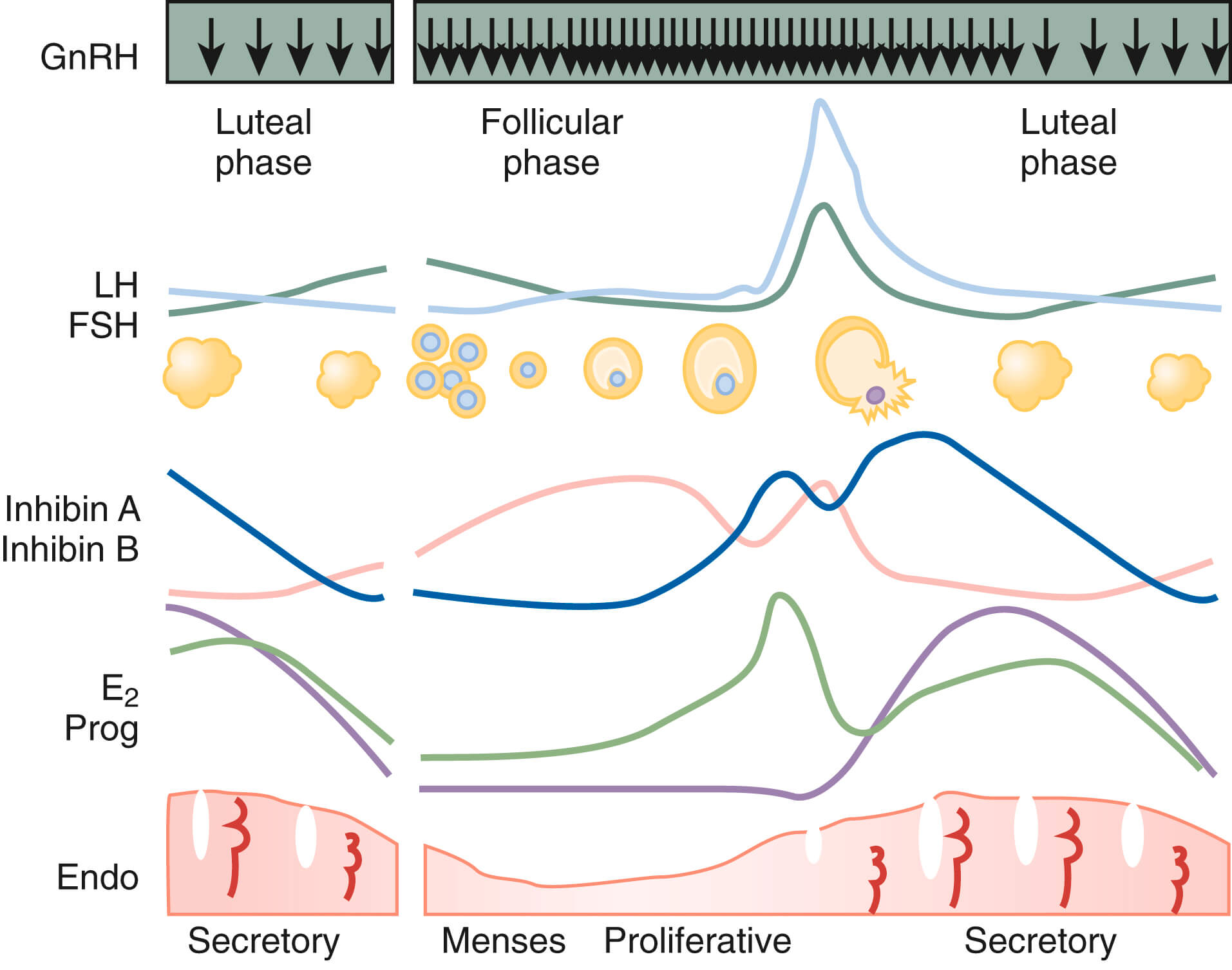
The menstrual cycle is a monthly finely tuned hormonally guided process that prepares the female genital organs for conception and a potential pregnancy. It is divided into two main halves: the follicular and luteal phases and could be also divided to the menstrual, follicular, ovulatory, luteal phases. The length of the menstrual cycle is classically 28 days long it but can vary in a normal range between 25 and 35 days. Usually, this variation could be related to the length of the follicular phase depending how long it takes for a dominant follicle to develop. A subtle sign of diminished ovarian reserve in women in their late 30s or early 40s could be the progressive shortening of their menstrual cycles to 26-19 days due to increased basal FSH levels that could earlier ovulation. In contrast women with a high ovarian reserve or polycystic ovarian syndrome might have a longer menstrual cycle up to 30-35 days or even longer due to longer follicular phases. This should be taken into account when monitoring the cycle to establish the exact time point of ovulation and the length of both menstrual phases.
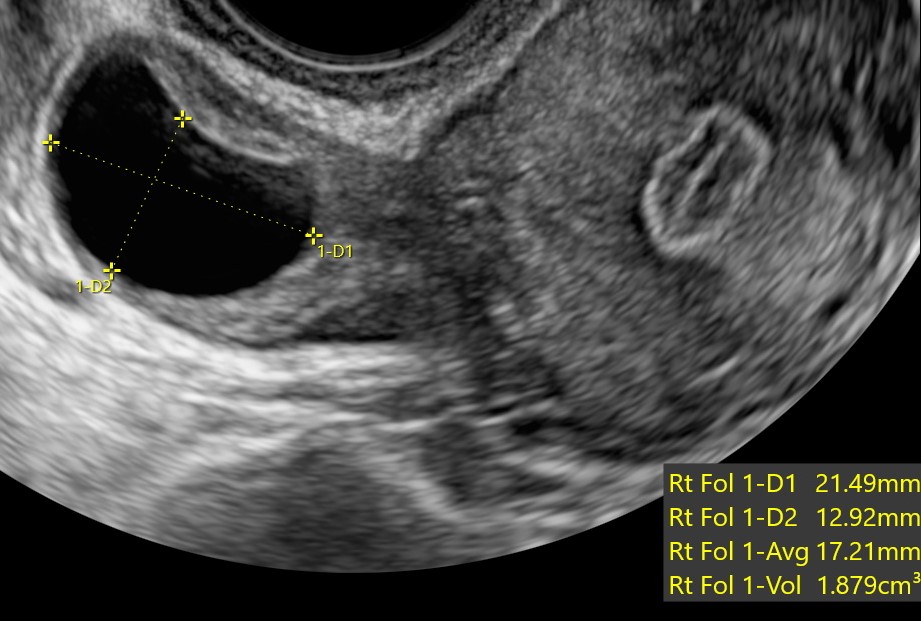
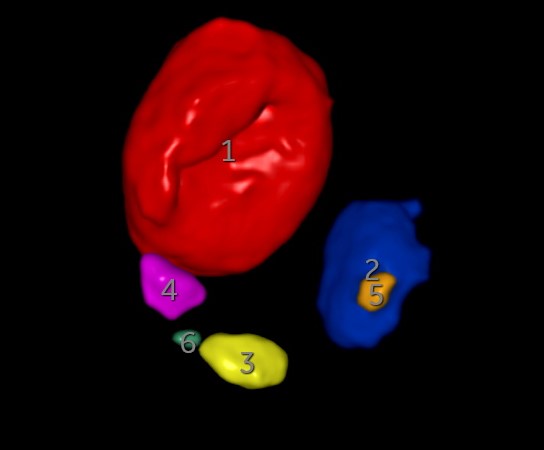
Cycle monitoring at it easiest involves conducting a menstrual calendar (manually or with apps) with precisely registering the first day of each the menstrual bleeding and thus being able to calculate the duration of each menstrual cycles and their variability. Other symptoms such as ovulation pain, changes in cervical fluid, basal body temperature measurements, mood variations give further clues to pinpoint ovulation. A more advanced method, usually as part of fertility treatment, involves serial ultrasound scanning (3-5 times during the menstrual cycle) and/or hormone testing (in blood) or using urine ovulation testing at home. This could be used to monitor simple fertility treatments like timed intercourse with or without ovulation induction or monitoring natural cycle IVF treatment or a frozen embryo transfer in natural cycle.